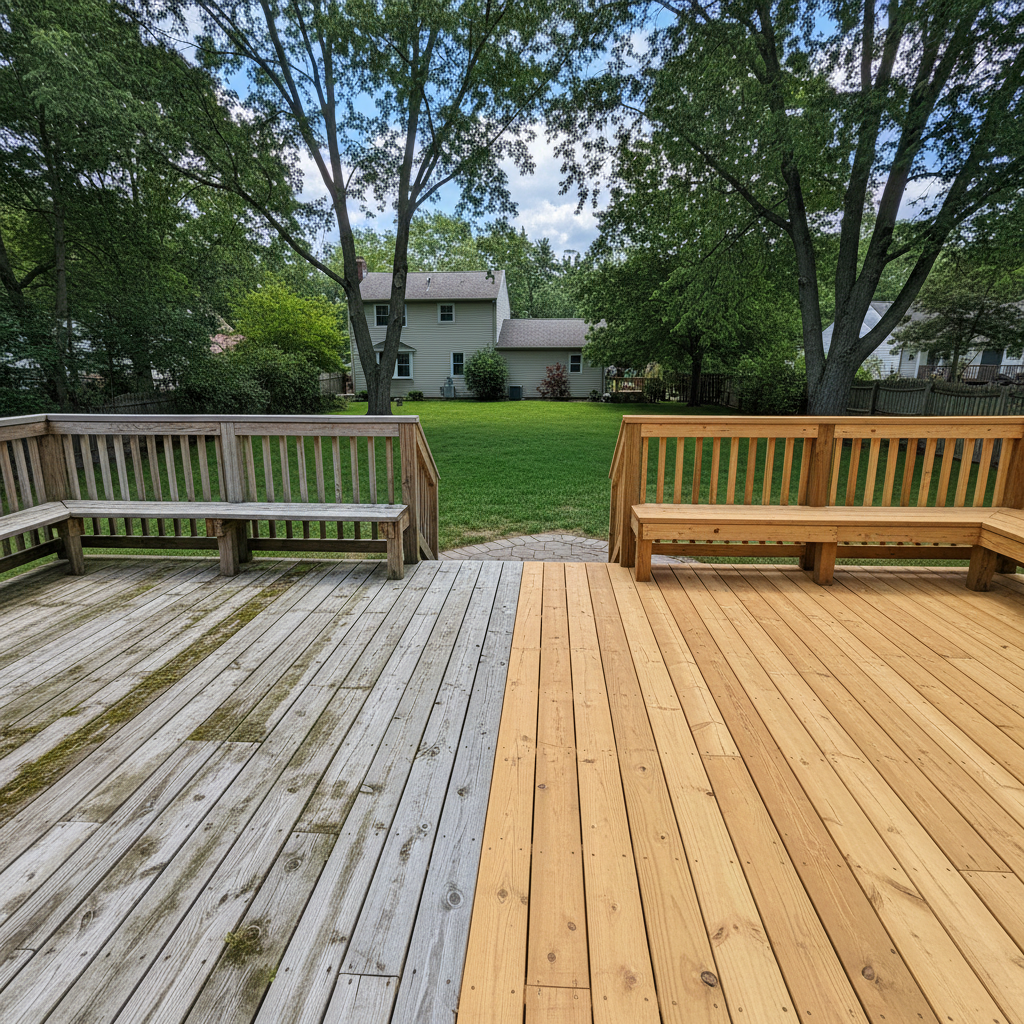
Choosing the right wood for your backyard project comes down to a few hard facts about our local climate here in Connecticut. Between the heavy damp snows we get through winter and the humid summer stretches up here near Burlington and Farmington, your outdoor wood takes a real beating. When homeowners call Western Decking to talk about building a new Wooden Deck, the debate almost always lands on the same two materials: standard pressure-treated southern yellow pine versus natural cedar.
Upfront Costs and Material Reality
Let us talk money first because your budget sets the framework. Pressure-treated lumber is the undisputed king of affordability upfront. You can build a large, sturdy frame and deck surface for a fraction of what other materials cost. It is treated with chemicals to fight off rot and termites, making it a practical choice for the structural posts and joists on almost every job Western Decking builds.
Cedar costs noticeably more. You are paying for a premium softwood that does not need chemical infusions to handle the elements. Instead, cedar relies on its own natural oils. If you want that classic reddish-brown look without the green chemical tint fresh pressure-treated boards often start with, you will open your wallet a bit wider.
How They Look Over Time
Appearance changes fast once Connecticut weather gets a hold of your lumber. Pressure-treated wood starts out heavy and wet from the yard. As it dries out under our summer sun, it tends to warp, cup, or check if you do not stay on top of fastening and sealing. Left alone, it turns a dull grayish-brown that can look a bit tired after a couple of seasons.
Cedar ages much more gracefully. If you let it weather naturally without staining, it turns a uniform, sophisticated silvery-gray that many homeowners love. It also stays cooler under bare feet on scorching July afternoons compared to treated pine or darker composites.
Maintenance Demands in Local Conditions
Neither of these options is a set-it-and-forget-it material. If anyone tells you wood requires zero work, they have not spent a New England winter scraping ice and snow off a backyard platform.
- Pressure-treated wood demands regular staining and sealing every couple of years to keep splintering and cracking at bay.
- Cedar needs cleaning and a fresh coat of clear water-repellent or semi-transparent stain every few years to preserve its warm tones and stop moisture absorption.
Because Bristol yards often deal with damp soil conditions and heavy shade from mature maples or oaks, organic growth like mildew loves to latch onto neglected wood surfaces. Regular washing is mandatory for both.
For Bristol homes, Western Decking provides Wooden Deck services. If you want the most economical build that gets maximum square footage for your dollar, go with pressure-treated lumber—just make sure you budget time and money for yearly upkeep so it does not splinter up on you. If you prefer a cleaner look, smoother bare-foot feel, and natural decay resistance without the heavy chemical treatment, cedar is worth the upgrade.