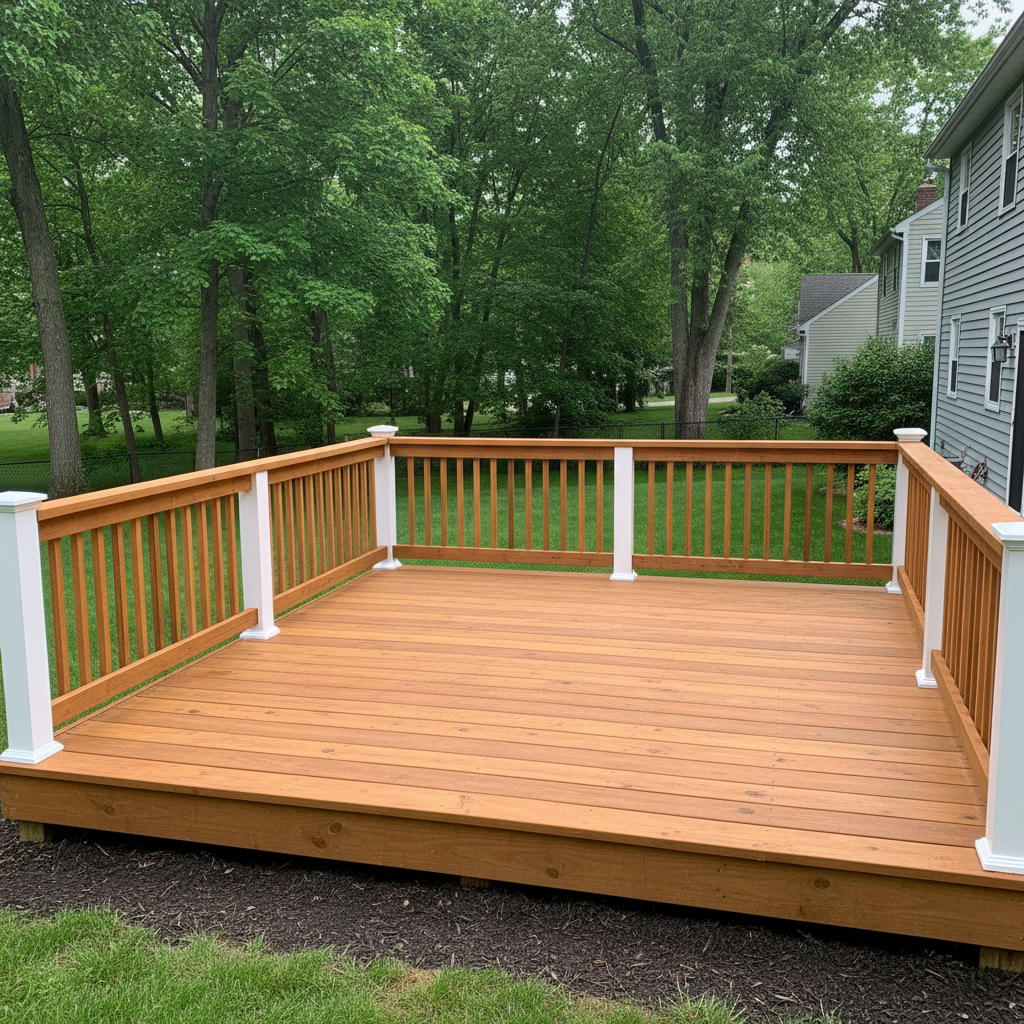
Your deck isn't just a piece of wood or composite; it's an investment. It's where you host summer barbecues, sip your morning coffee, and just soak in that unique Connecticut air. But let's be real, it's also constantly fighting our local weather — those sticky humid summers, the biting freezing winters, and all the rain and snow we get in between. If you want that deck to stick around for the long haul and stay safe, you can't just build it and then forget about it. Over the years, I've seen a lot, and here's what I know you need to do to keep your deck in tip-top shape.
Make Your Deck Last Longer: It's All About Protection
The single most important thing you can do to make your deck last is shield it from the elements. This isn't just about making it look nice, you know? It's about stopping rot, mold, and serious structural damage. If you've got a wood deck, that means a really good quality stain or sealant. You'll want to put a fresh coat on every 2-3 years, maybe even more often if your deck gets a lot of sun and rain. Just think about those south-facing decks up in the Federal Hill area; they really take a beating from the sun. A solid stain not only blocks UV rays but also creates a barrier against moisture. For composite decks, you don't need stain, but keeping them clean is still super important. Otherwise, mold and mildew can build up and actually degrade the surface over time.
Another big one? Good drainage. Seriously, make sure water isn't just sitting on your deck or pooling around its posts. If you've got gutters, keep them clean! That way, water won't overflow right onto your deck. Proper airflow underneath the deck matters too. If air can't move around, moisture gets trapped, and that's just asking for rot, especially during our damp springs.
Regular Maintenance: Your Deck's Best Friend
Think of deck maintenance like changing your car's oil. It's not the most exciting job, but it stops much bigger headaches down the road. Here’s a simple routine to follow:
- Clean it Every Year: Give your deck a good scrub each spring. Use a cleaner made for your deck's material (wood or composite) and a stiff brush. A pressure washer can be awesome, but be careful! Too much pressure can actually damage wood fibers or composite surfaces. Always start with a low setting and keep that nozzle moving.
- Check Fasteners: Walk around and look at all the screws and nails. Are any sticking up? Hammer down any loose nails or drive in screws that are backing out. Loose fasteners aren't just a tripping hazard; they can also mean your deck structure is shifting.
- Inspect for Damage: Look for boards that are cracked, splinters, or spots where the finish is wearing thin. Fix these quickly. A small crack can turn into a huge problem if you ignore it, especially with our freeze-thaw cycles.
- Clear Debris: Don't let leaves, dirt, or other organic stuff just sit on your deck for long. They trap moisture and can lead to mold, mildew, and rot. Sweep regularly, especially after a storm.
Warning Signs: When Something's Not Right
You know your deck better than anyone else. If something feels off, it probably is. Here are some red flags that tell you there might be a problem brewing:
- Soft Spots or Spongy Feel: If you walk across your deck and certain areas feel soft or squishy, that's a huge sign of rot. Don't ignore this; it means the wood is losing its strength.
- Wobbly Railings or Stairs: Grab your railings and give them a good shake. If they're loose, they're not safe. The same goes for stairs. Loose stairs are a serious fall risk, no doubt about it.
- Cracked or Split Boards: Sure, some minor cracking is normal with wood, but deep, long cracks can really weaken a board. If you see multiple boards splitting or big chunks breaking off, it's time to take a closer look.
- Lots of Mold or Mildew: A little green film is usually easy to clean, but if you've got extensive black or green growth that just keeps coming back, it means there's a persistent moisture problem that you need to fix.
- Sagging or Uneven Deck Surface: Your deck should generally be level. If you notice dips, sags, or a lot of unevenness, it could point to issues with the foundation, rotting joists, or failing support posts.
When to Call a Professional: Don't DIY Everything
Look, I'm all for homeowners tackling projects themselves, but some things are just better left to the pros. If you spot any of those big warning signs – soft spots, wobbly railings, or sagging – it's time to call someone like us at Western Decking. We've got the experience to properly figure out what's wrong and make sure the repair gets done safely and correctly.
Structural repairs, like replacing joists, beams, or support posts, aren't really DIY-friendly. You need to understand local building codes and make sure the repair meets all safety standards. Fixing a small crack is one thing; rebuilding a section of your deck's foundation is a whole different ballgame. Don't risk your family's safety or the long-term integrity of your deck by trying to patch up a serious structural problem. We can check out the damage, give you an honest opinion on what needs doing, and get your deck back to being a safe, enjoyable space for many years to come.